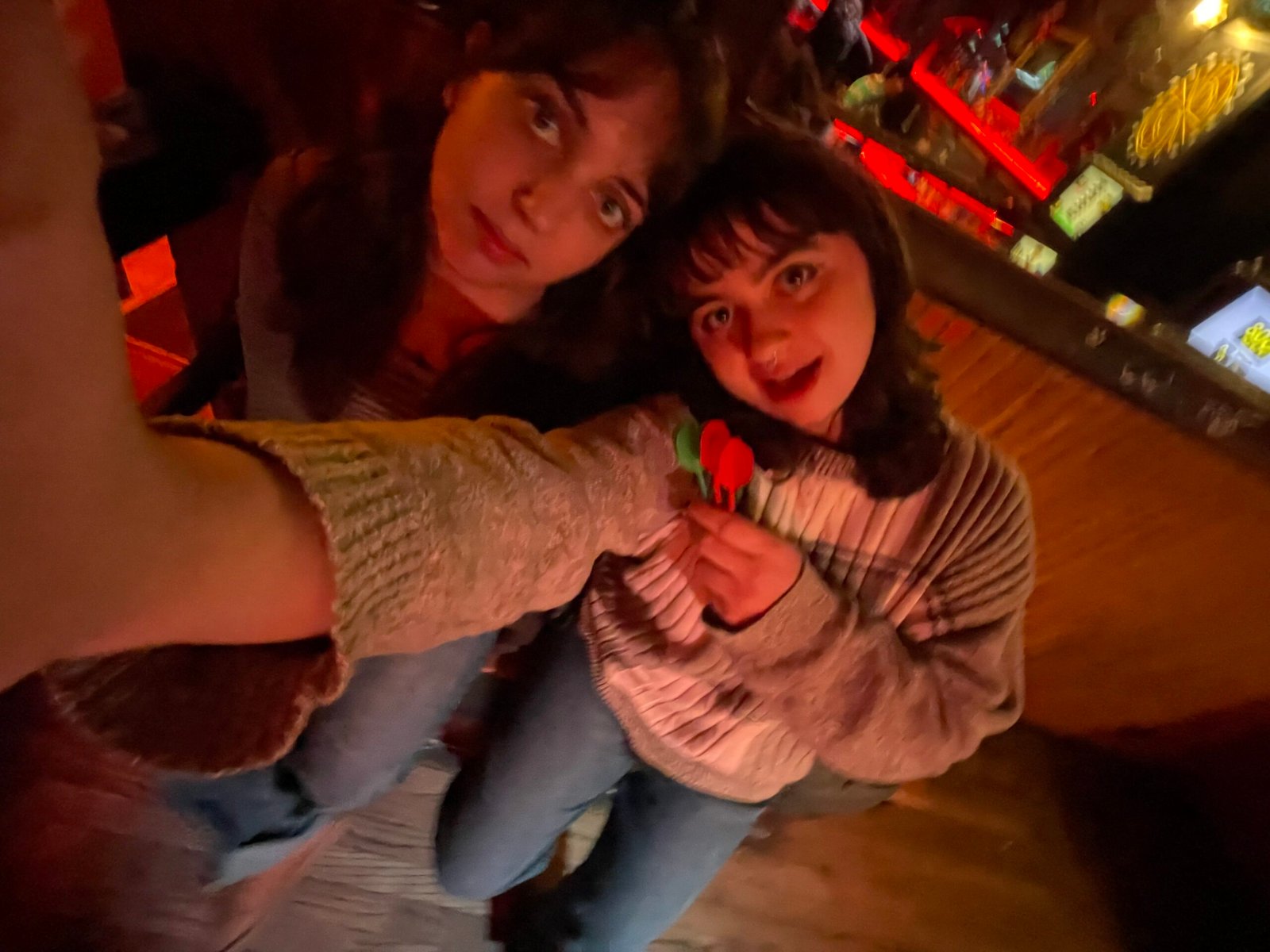
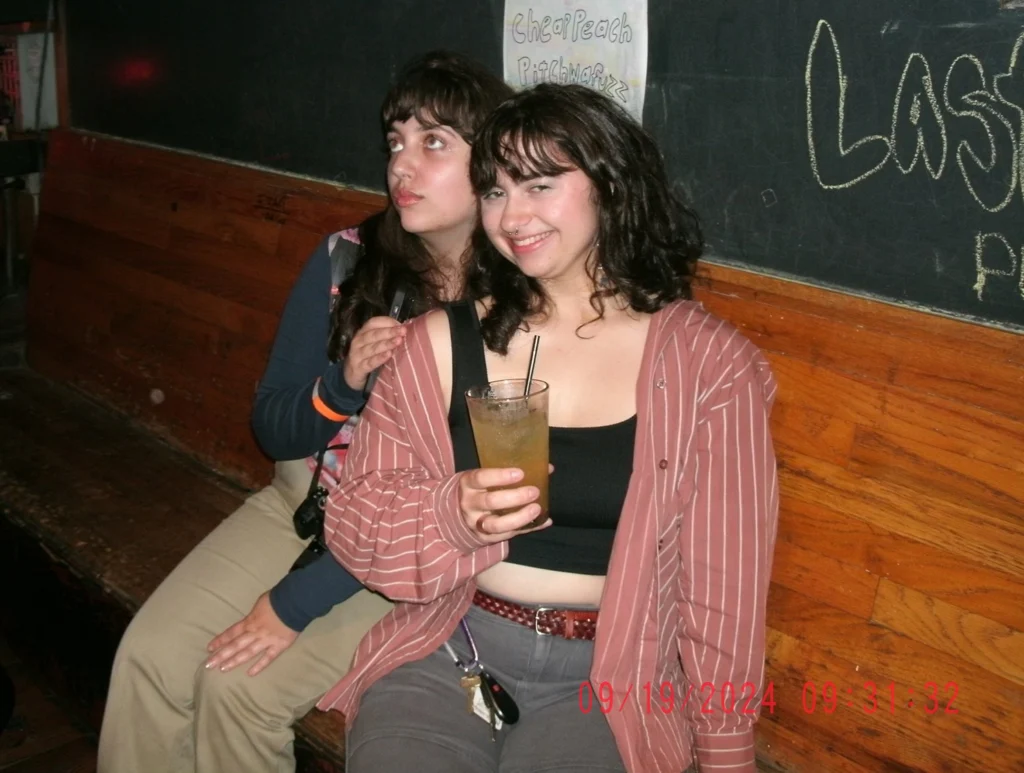
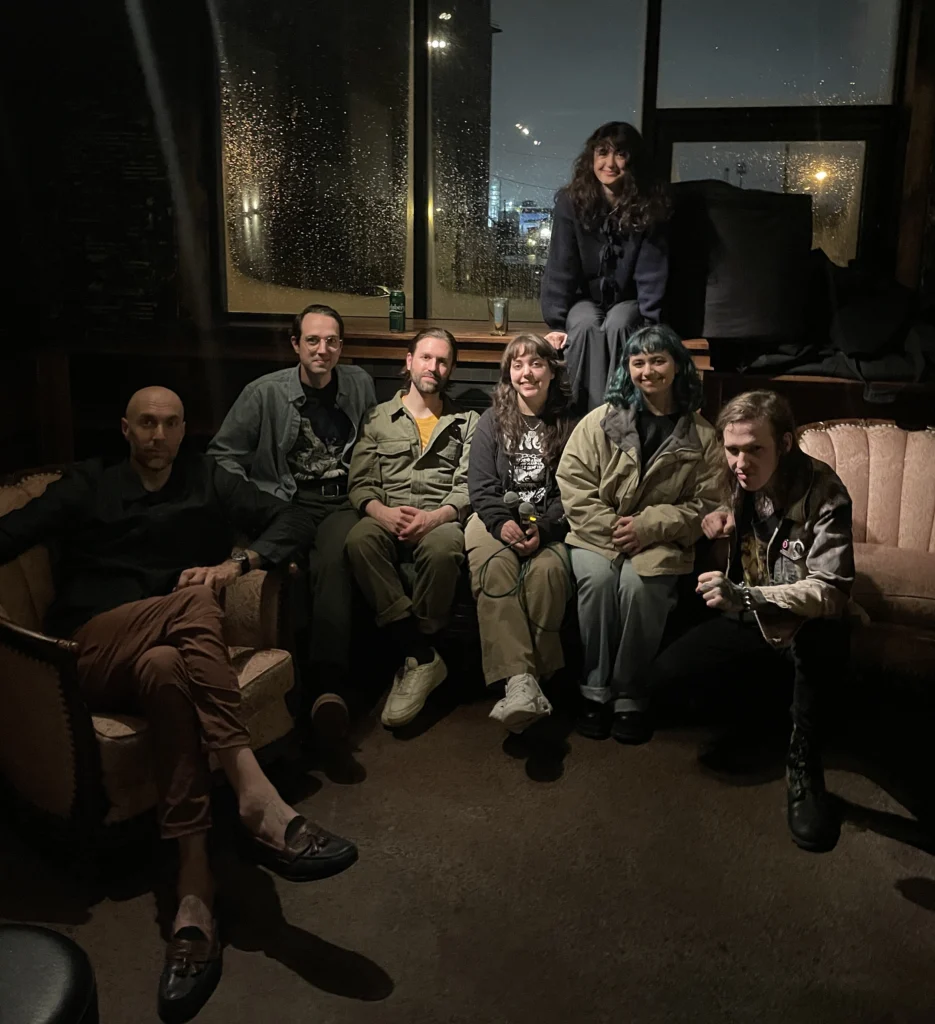
Bio: Elena Fitzgerald and Olivia Castiglione are not only two of my favorite people on this campus, but they are truly the powers that be within the Fredonia music scene. Together, they run Last Call Entertainment, the main booking agency in Fredonia. Any show you’ve attended at BJ’s throughout this school year have all been thanks to them. Oh, and have you heard of the legendary Fred band Relentless Moisture? Well, Elena manages them. Olivia has also managed a formerly popular Fredonia based band, but that’s a story for another time. I have the pleasure to work with them not only in Last Call, but also on a radio show, run through Fredonia Radio Systems, called The Local Lo-Down, where we interview bands from all over Western NY, thus furthering our connections, and therefore the ability to put on great shows at BJ’s. They do all of this, and so so so much more.
Charlie – Okay. So my first question is pretty basic. Just to give people an idea, what makes booking an art, if you consider it an art at all?
Elena – Yeah, I’ll be honest. I really think, like, how I always view booking, there is definitely an aspect of art in it, but I don’t think I ever really go to people and say, like I’m an artist. But I think there is definitely an aspect of, curation and creativity throughout it overall. And I think there’s an aspect of the organization process of it. To also be able to collaborate with other artists feels like such a community that I feel a lot of art communities themselves have. But going back specifically to booking, I think the curation of different lineups, if you are a promoter that is able to do something like that, being able to have the freedom of booking whoever you want, and figuring out how the pieces are coming together that way, it’s always really nice when you’re like, these are the three groups that I want for the night that I want to book. But that doesn’t always happen, so it’s a matter of molding and figuring out how eventually all the music is going to play together. And I think having that audience of the crowd coming in is also an aspect of that.
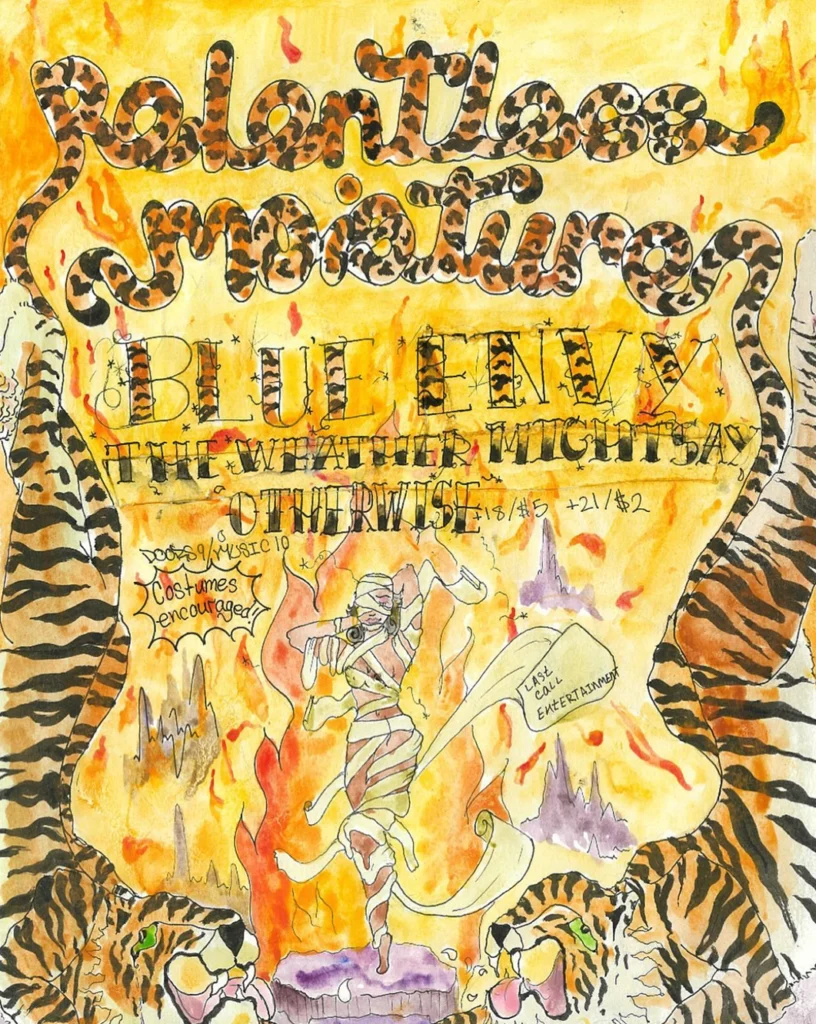
Olivia – This is Olivia speaking. I feel like, in that sense, we’re close to an art form. I think we’re like DJs in a sense. I like that. I mean, we recently booked a show that was Scott Pilgrim themed, and that was just based off of a soundtrack. We are the vibe bringers of Fredonia. I do think we also keep people in mind. We keep crowds in mind when we’re booking shows, and we’re like, you know “What is this group [of students] that always shows up to a show going to like? I think they would love this!” and to be able to create a vibe, even based on energy. For example, the Halloween night. We had a lot of back and forth on what we wanted. We always knew we wanted [Relentless] Moisture to headline it. But as for the first two acts, it was Blue Envy and who else? And TWMSO [The Weather Might Say Otherwise], we were like, back and forth on how we wanted the energy to flow that night. Because Blue Envy, while they are super high energy, they’re also very groovy, and in that sense, a little bit lower energy, especially compared to TWMSO. Oh, and you could, I feel like, as an audience member, you could, see it there.The energy of TWMSO, everybody was, like, super excited, super moving around and everything, very high energy. And then you go outside, and then the next act happens, and it’s Blue Envy. And everyone kind of, like, got in this pocket of just like, we’re listening, we’re watching, we’re grooving, and it was a bit of a breath. Then Moisture came on, and everybody ended the night super strong. I don’t know how to end that off, but I think, I think we’re DJs. I think as well as curating a vibe, we also keep energy in mind. To sum up my answer.
Charlie – When do you allow yourself to be selfish when you’re booking a show? When do you allow yourself to just be like, ‘I’m gonna book this band because I like them and I don’t necessarily care if the crowd does or not.’ Or is it always kind of about catering to your audience?
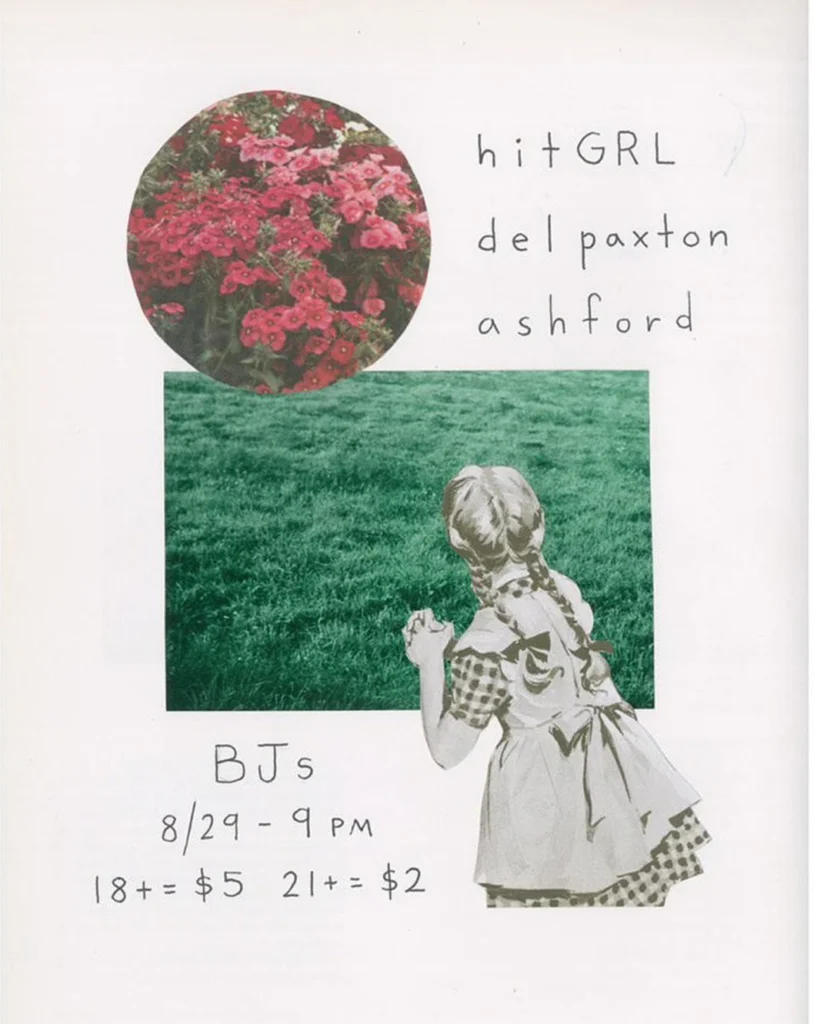
Elena – For me, it’s like if I have been listening to the local music scene since my sophomore year, and I’m now a senior, and I’ve been able to book now for my senior year. So I have a lot of local music under my belt, bands that I’ve listened to throughout the years, and there are definitely some that are on my personal pedestal, and I won’t give them all away – ahem – Del Paxton. But I do think what really allows for me to be selfish is if I am able to listen to a campus band or a band that I know has a lot of pull, and I finally, like, click it and figure out what other band I can use to support to put that selfish band in. Because the bands that I feel are selfish to me are like, I know people our age would love these bands if they were just there to listen. I think that the very first show that I booked for the year was kind of like my selfish one. I think I came to Olivia immediately, and I was like, this is what I wanted. And that was highlighting Ashford, who used to play here all the time. When I was a freshman and sophomore, they were playing every other show here, and they kind of got a little overplayed in the scene, so then they just hadn’t really been around here in a while, and I was like, “They need to be back here.” Also, Del Paxton was on that line up of who I just mentioned, no matter what they play or who they play with, if they are in Buffalo, I will be at the show. I knew that I wanted people to always be listening to Del Paxton, and they have a very impactful time here throughout their time in the scene. And then we had HitGRL, who is a campus band here, who’s fairly popular around the different crowds. So I knew that by having HitGRL playing, or, you know, a relevant campus band, I was able to have, you know, those two bands that I also really love in there, and I think that can be said for a few other lineups that we’ve worked on since.
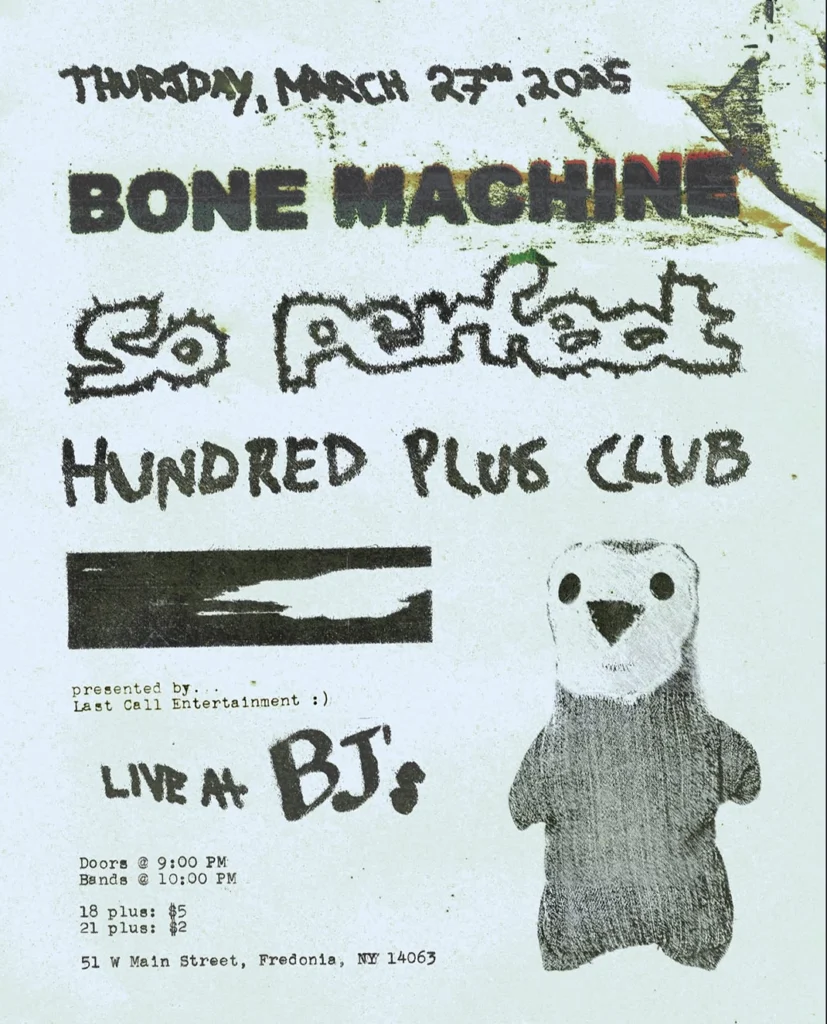
Olivia – I’m trying to think of, like, specific shows that I’ve been hella selfish with. So Perfect was definitely, like, my top tier one. I do think that everybody in the crowd loved So Perfect. I didn’t think of the crowd necessarily for that pick in particular, just because to quote somebody who I don’t actually remember who said it first [it was Wayne Gretzky], but you miss 100% of the shots you don’t take. So yep, I was always up in Elena’s ear being like, “Oh, we should just, like, just like, just shoot a message to this person, like, see what happens”. Because, yeah, insert quote again, but So Perfect had been something in my mind that I wanted for so long. I think by the time that the show happened on Thursday [now a few Thursdays ago!, 03/27], it was a full year of me listening to them. I don’t even really remember how I found them. I think I was just going through different show posters that I liked, and I was like, well, what is So Perfect? Let’s see if I like them. But yeah, So Perfect for me was very selfish. I think another selfish one for me was Blue Envy. They were a group that I initially wanted when we were booking Fredchella, and it just, I don’t think it ever got to that point, but I just knew everybody would love Blue Envy, and I knew that I liked Blue Envy.
[Olivia asking Elena] – Do you ever, do you think there was ever a show where it really was just like bands that we solely liked, and in that sense, we just wanted to bring it to Fredonia to kind of like, maybe refine the palettes of the listeners?
Elena – I think one in the sense of what you specifically just said, would have been that K-Hole set, because it is a hardcore bill. We don’t usually have hardcore here. And my perspective of it was that, you know, at the end of the day, I really want every show to be different. I want everyone to get a taste of every part of the music scene, because I think there is a little bit for everyone. But I don’t think that was out of, like, selfishness. I think for me anyways, that was more like, I just wanted to have some different sounds, and I wanted to try that out at some point. But I don’t know if you [Olivia] have thoughts on that.
Olivia – I think, I think with that show in particular, it was really just, um, we had gone to the Guerrilla Showfares [see poster for upcoming show here], and we kind of wanted to see how people in Fredonia would react to that, and kind of have our own Guerrilla Showfare in that sense. I think it was a bad time of the year to do the show. I think if we did that show in like, better weather, people would have been more open to it, because that’s the other thing too. Is like, as the months get colder, as far as our booking, we really need to pull out all the stops just to get people to show up. Because all offense to Fredonia people like, it’s a ten or fifteen minute walk and less of a drive, but if it’s cold out, people will not go. They won’t go out to a show. So we have to try extra hard and, like, make sure their friends are on the bill, or something like that, in order for us to get a good crowd. But now that it’s getting warmer outside, I feel like those are the times where we get more freedom on what we can book and booking say, like, mixed bills that just, like, feels good.
Elena – Yeah, the last thing I’ll say about selfishness is more about, I guess it’s selfish, yes, but I think it’s more so about the opportunity. I will do whatever it takes to email all of these different touring bands because there is a venue that they can play at, just so they can simply, like, put my name in their mouth. There was a lineup I absolutely loved that was in Pittsburgh. I’d seen every other band that was on that bill, but I hadn’t seen this one band, Magazine Beach. And so I specifically reached out to them because I wanted to get to know them. Because if they know all these bands that I like, then I want to know them too as, like, a possible connection and things like that. And I just really like their music. I thought it’d be again, good music for our, like, age range, our crowd, that kind of thing. It led to them playing last year’s BJ’s Fest, and that was kind of our option. Similarly, with Sunday Morning. I’ve also tried to book like, my absolute favorite dream band, of all dream bands, and it got to the point where they almost got booked. But if they’re ever in the area, you know, it’s something where now, they’re gonna possibly reach out to me, because they know my name, and they know that there’s this little spot here in Fredonia.
Charlie – So you guys mentioned mixed bills just now. I’ve cooked up some crazy ones in my head and mentioned them to CJ, the booker at Toybox, and he’s always been like, “What are you talking about?” But I love a mixed bill. How do you make a good one?
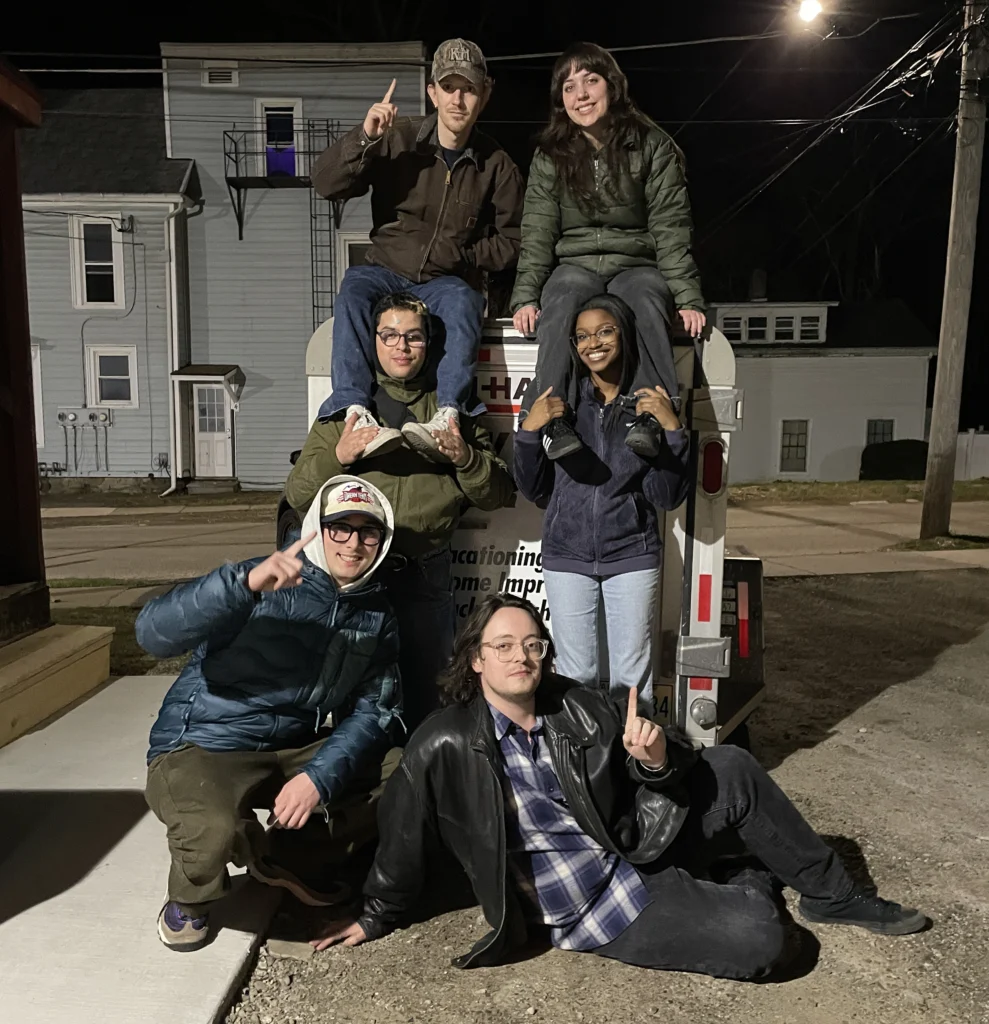
Elena – Um, I, I’m gonna be honest. I do enjoy a mixed bill, I don’t go for them as much. Here in Fredonia, the way that I kind of view it is, our scene is a little bit on the smaller side, and it’s already like, hard enough to get people to go to shows. So at times I am just like, well, my purpose is to have people come to the shows and enjoy their friends’ bands, but I want them to hear these other bands and also like them too. So if they’re going and they’re listening to, say, Chatterbox, what other bands that are kind of in that vein are going to be something that they like. But I, you know, I do think a good mixed bill every once in a while is also really good. I know Olivia is gonna have a lot more to say about this, but I think more so what I’ve had to adapt to as of recent, has been on the other side of booking. When booking for Relentless Moisture. I’m their manager, and they definitely, like they themselves are a mixed bill. If you’ve listened to their album, every song is very different. So it’s like, how the hell am I going to book this band? And I think it’s about taking the little bits and pieces that are parts of one band and seeing how they relate even just a little bit to another. This is the benefit of having the knowledge about my band, because I work with them, but like knowing their musical influences and finding other bands where I’m like, “Yeah, they sound like their musical influences, let’s see if we can make this work”, I think has been the way I’ve been able to adapt to it and learn how to do mixed bills a little bit better, especially from when I started.
Olivia – I think the only method to the madness is if it feels good in your gut. I think it has to be a thing where it feels good in your gut, and you also don’t care what anyone else thinks. Like, each act on its own is super solid. And you know that people from all over the scene will show up, like, literally, the show we went to last night [03/29]. It was Muddle, Del Paxton, Alpha Hopper. It was a big crowd, because it was such a diverse crowd, I was seeing people who I never thought I would see even standing next to each other together, just because, like, one of them likes Del Paxton, and then the other one likes Alpha Hopper. You know what I mean, like, but I think if it feels good in your gut, and especially if you don’t care about what other people think, because I’ve seen other people put on mixed bills, and I’m like, “What is that like? What is that?” But if they’re confident enough to book it and, like, put it out there at the end of the day, it’s an interesting show. [Asking Elena] Have we had any mixed bills this year?
Elena – I mean, if you want to count the Dreamhouse lineup, because it was Dreamhouse, then rappers. But I wouldn’t count that.
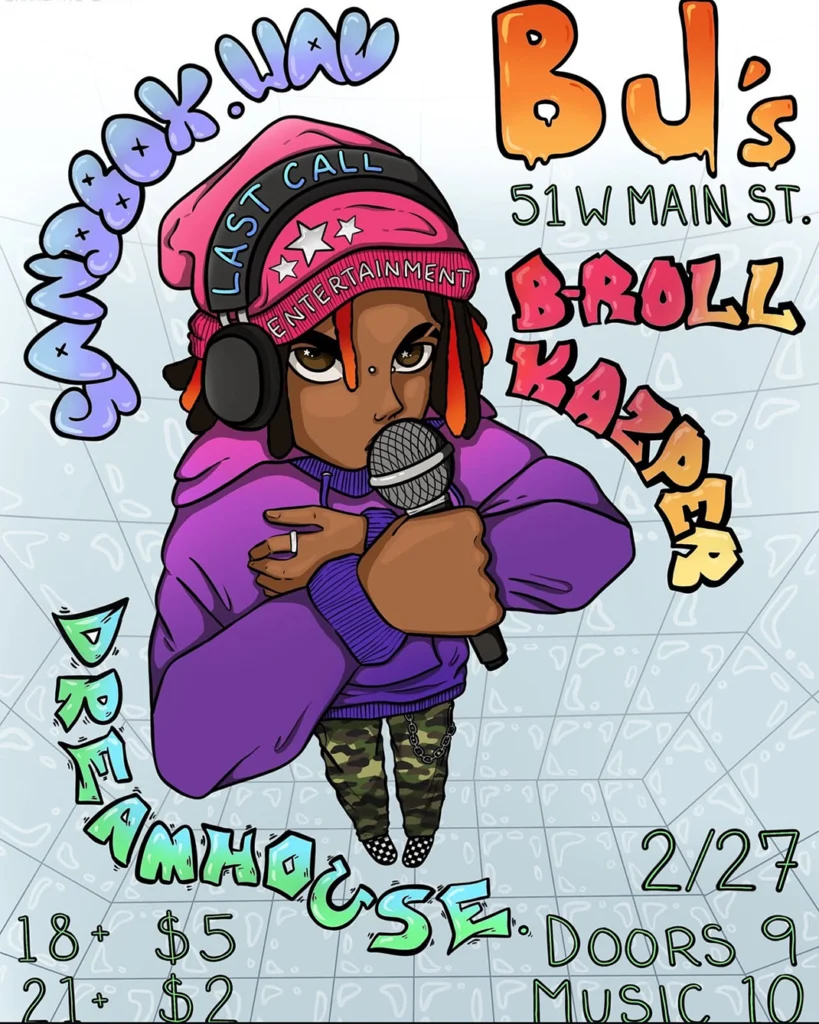
Olivia – That was actually a selfish pick. Dreamhouse was a selfish pick, because we just, we just wanted to see Jordan again, like on a real note. Um, but yeah, I think I, I think people should be doing more mixed bills. I like a good curated lineup.
Charlie – Moving a little bit away from the mixed bill conversation, what typically determines the order of a bill?
Elena – I’m very specific on this. If I could get my own way and I could do whatever I wanted, it will forever and always be based on the energy of the band, not of the crowd. I’ve criticized so many bills based on the sense that they put their highest energy band first. For us in Fredonia, the way that it works these days is that said campus band has to headline like, it’s just how it goes. It’s how the crowd stays and stays through the bands that have traveled an hour, or even, we’ve had as far as eight hours away travel. So if I picked my absolute perfect lineup, it would be some sort of low energy artist first and then probably following up with a band of a little bit of a medium energy that kind of gets the crowd going, like grooving around, to then a headlining band that, like, knocks your socks off, like, all over the place, but you can’t always get your way. That is how I would choose the order if I could, every single time.
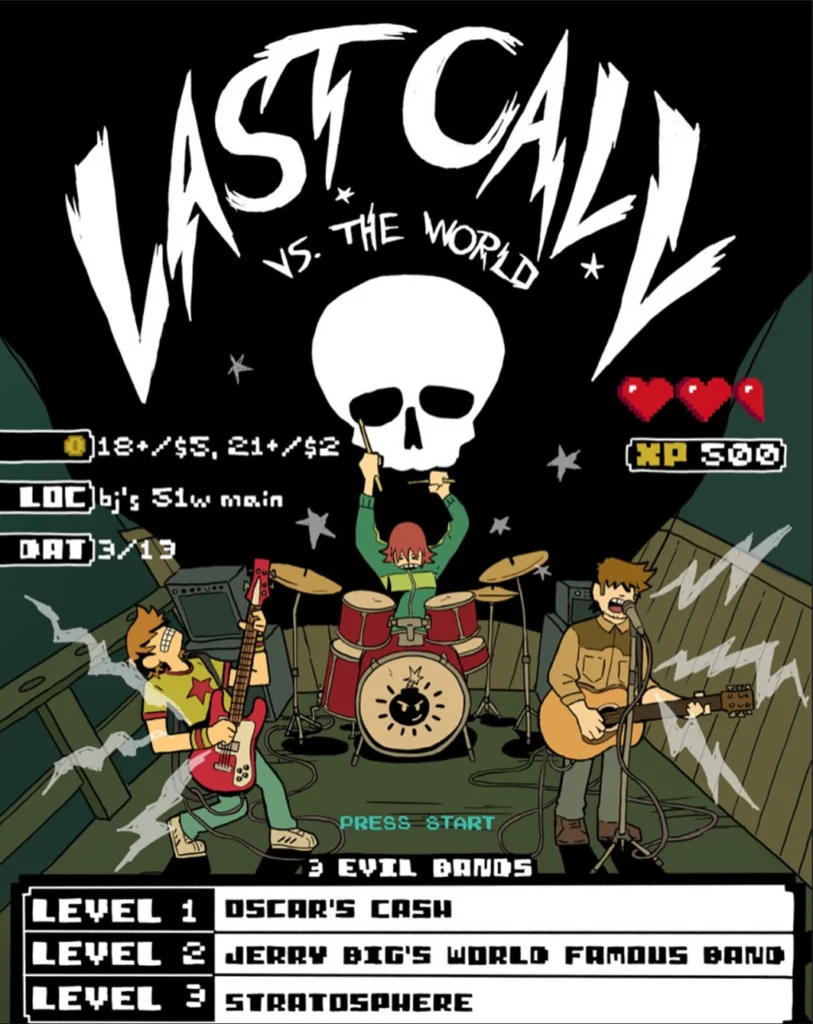
Olivia – I agree with you in the sense that, like, I love a bill that goes from low energy to high energy. I think that’s fun. But I also think, like I mentioned before, the Relentless Moisture Halloween show, I really loved how that turned out, where it was, like, high energy, kind of mid energy, and then high energy again, just because it literally gave people a breath, but they got excited from the first act, like from the jump. While I do, like thinking about the energy and how it’s being booked, I also really love booking based on, like you said, having a campus band headline, because it’s like a game to me, like, um, the Jerry Big [Jerry Bigs World Famous Band] Show. We knew we wanted to book Oscar’s Cash. We knew we wanted to book Stratosphere. I love how people in groups work and like, what ticks in people’s brain to make them want to come to a show like Stratosphere, they have their crowd that always shows up to every show. They were releasing a song that night, and there were a lot of people showing up for that. And then I remember in particular, like, it’s not my favorite thing when bands do this, but Oscar’s Cash, promoted the show by telling when they were, in particular, going on. And at first I was like “Okay, well, what the fuck like promote the whole show”, but like, we wanted them to headline, because they were seniors, and we wanted to make sure that they had, like, a good solid, headlining gig, just so that we could give them an opportunity and also show our appreciation. Because that was also my first Local Lo-Down interview. So like, they’re always in the back of my head, I care about them, and we care about them. But I feel like, not the Stratosphere crowd in particular, but the crowd that was there, they were like, “Oh, great. We saw Stratosphere, we saw Jerry Biggs, we don’t really know much about Oscar’s Cash, and it’s getting kind of late, so maybe we’ll just go home”. Some people did go home, but then the most humongous crowd of frat bros entered the bar to see the Oscar’s Cash set, because of how they promoted it. I forgot they’re frat related, like they have frat ties. And so I thought the way that we kind of gamed that, and how it worked out so that it was a solid crowd throughout the entire night, with, like, totally different people from the beginning versus the crowd at the end, was smart. I think it’s so much fun to kind of game the system like that and see, like I said, how people tick and what makes them go out to a show.
Charlie – Elena, you’ll have more experience with this, but Olivia, I’m sure you’ll have lots to say. What is the difference between booking a house show and booking a show at a bar/other venue?
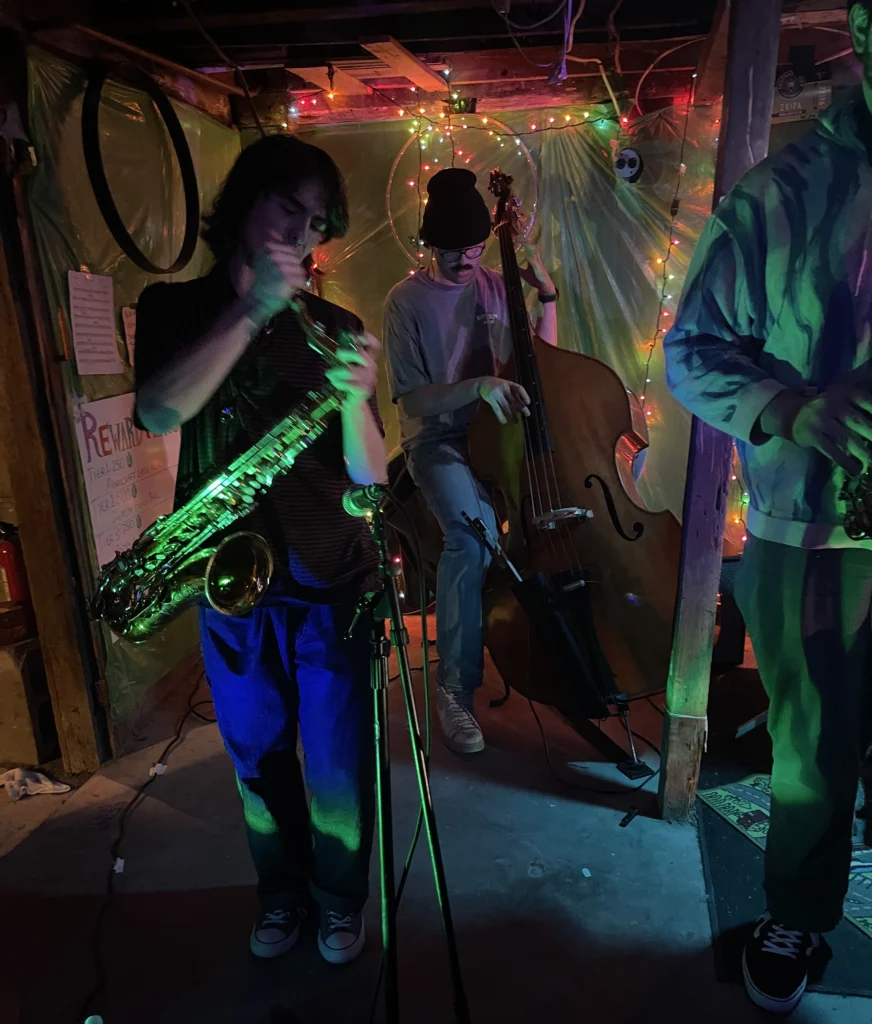
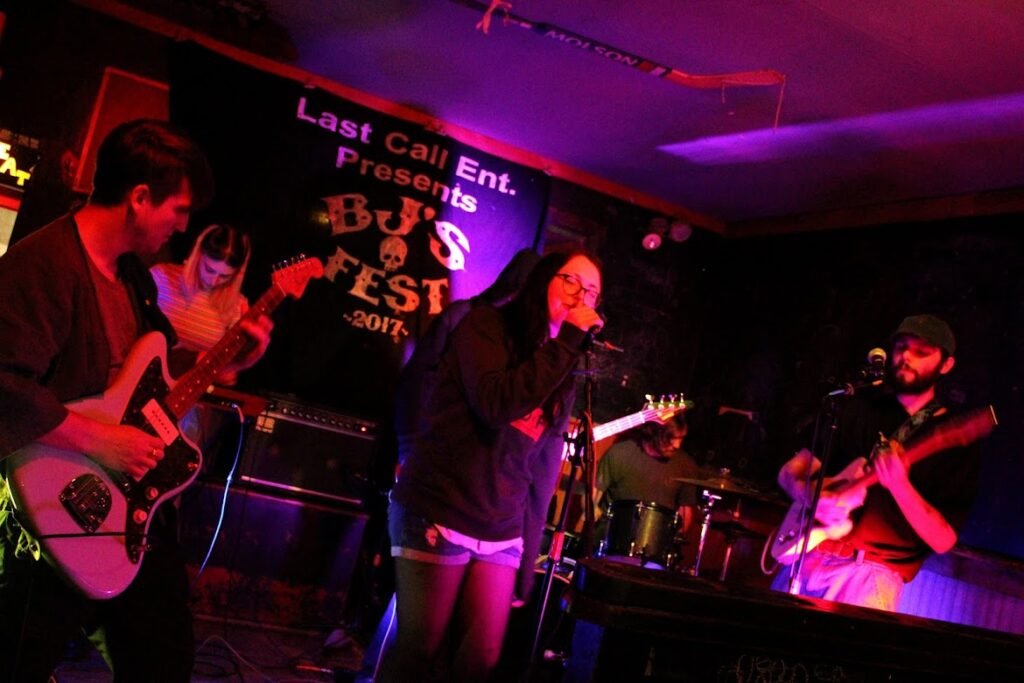
Elena – [For context, here the venues mainly being compared are BJ’s and the now inactive house venue known as Creek House] One is illegal. So when you book at a venue, no matter what, there are other people, there are other factors. I am fortunate enough that I’ve booked out a lot of venues, well, not a lot, but like, I’ve booked at different and differing venues. And I think there’s a big thing about a venue that has a bar versus one that doesn’t. I know that there have been bands that have said no to BJ’s because they are straight edge, or there are things about drinking, or it’s all ages where they don’t want to go to a bar, and that’s obviously a factor. I think there’s also the pressure of everything else that’s happening, the other factors happening around [the bar], I think there is something to say about the idea that everyone in the bar, at any point, could be drunk while the music is also happening. I don’t think I’ve necessarily booked a bill with that in mind, but I have definitely had experiences where it’s like, oh, there are a bunch of drunk people, and that’s why there’s one person screaming in the center of the venue while the quietest band is playing. Booking at another, like, very open space, that was something that was cool, because we felt like we had a little bit more freedom, especially since that venue owner wasn’t really there that often. Was he great? No, but I think that between those two, you can definitely see a difference, not in the sense that I am picking the bands and booking, but the bands that are like “We will play here, we want to play at this really open venue, we really want to play at this spot, because it’s really cool.” And like, having the difference between people, like low-key sometimes begging to play at a bar venue versus people begging to play at this open venue is really cool. I think that’s something about a house venue that’s different from the rest. I don’t even think it has been the booking side of it that has felt different. I think it’s more so like the promoter/community side of it. I think, I mean, it doesn’t help that the house venue that I was booking at was also [lived in by] the band that I manage. But when I was working with them, it was at the very beginning, and we all had a talk at the end of the semester, because they ended up moving out of the house and everything like that, and that was like one of the real first times that all of us from the booker promotions sound team/owners of the house all like, stood together and we were, like, “We did this!” It feels like so much more goes into a house venue, so much more passion goes into it, because you don’t have the extra pressures or anything like that. That house venue is truly yours, and even though it definitely had some interesting lineups, I think I will forever and always be yearning to have a house venue and to be working in that sense, as a community, because it is just completely unmatched to anything else that I’ve done. And it was not a great house for a house venue, it really was not. Every time I left, I blew my nose and there was dust and brick debris coming out. I fell down the stairs once or five times. I’ve definitely seen critters go through, I could go on for days about things that happened at that house. Leaving that last show, I’ve never really left a work project, super emotional, but I was, like, really thinking about it for a long time. I know I ranted a lot about that, but, I think the thing that differs from it [a house venue] the most is that you can truly form that really close community. And anyone that has owned a house venue knows that you have that, it’s like an understood thing. I talked to this other person that owned a house venue here in Fredonia, and he was the last one to own it for a ten year period of time. It was like, through thick or thin, this house was still together until it physically was not together anymore. And that’s why they had to close it. And it’s still something that’s in his bio, and he’s doing so many other things now. And I, I just know that, that community is something that is unmatched, even if it was for twelve weeks time.
Olivia – Everything I’m about to say is from, I guess, like, a preemptive point of view, as the hope is that there will be a house venue next semester, where I can have a group of people that I can book with. But also as an audience member of many a house show, I think house shows are just cooler. I think there’s this very sterile feel in a bar. And while I am super grateful to help book and promote for Last Call under BJs, there’s a lot of people I found who refuse to just go to a bar, even if, like, you know, no one’s forcing a drink down their mouth or anything like that. They just don’t want to be at a bar. And I understand that, because there’s also the aspect of townies, there’s, there’s some really weird people who show up to a bar, and there’s also really weird people who show up to shows, but it’s a lot easier to get the people at a house venue out than it is to try and, like, in a sense, take business away from, you know, a venue that you’re booking at. I loved Creek House because I really liked, you know, feeling literally at home, at home and in a home. And I feel like, as far as like, thinking about a venue or thinking about booking for a venue, I’m just most excited about the community aspect. Like, I think Fredonia needs, like, more cool places, more third spaces. More places where, like, rules can be broken. I was just having a really interesting conversation with somebody last night, and we were talking about how, you know, we want more hardcore bands in Fredonia. We want heavier bills. We want something that, like, people can move to. But, you know, at a bar you can’t mosh, or, you can’t mosh freely. Not that I really mosh. I actually tried to start a mosh pit, and it didn’t really work out that well, I was just bouncing around like a pinball, but it was okay. I can already, like, picture it and see in my head the crazy mosh pits that will be happening, and I’m, like, very, very excited about that, and just having a space that’s freer. I feel like venues are a place where connections and bonds, like you were saying [Elena], are formed. Because I feel like a lot of the time, people feel very disconnected from us, in the sense of Last Call, like I’ve had people come up to me and ask me, like, how can I be a part of this? And it’s like, it doesn’t happen that often, but I feel like at a house, it’ll happen more often because, they can actually see us as people, and not kind of like these, not celebrities or anything, but like, kind of elusive people who just kind of ponder around the venue during a show You know what I mean? [Asking Elena] Do you have anything to add to that?
Elena – Um, yeah. I mean, not necessarily, a ton besides that. I agree with you on that. I think the thing about Last Call that’s always so interesting is that Last Call is such an entity that has been happening for so long. I’ve very actively been going to the shows since my sophomore year, and I’ve been a very active part of Last Call since my junior year, and someone last week asked me if I was going to the show this week, you know what I mean? In no way am I like, “Oh, they should know that I run Last Call. They should know that I do this and that”, I don’t care. Like, as long as you’re enjoying the shows and you feel safe in the space, I could care less if you know my name. But in the sense of [a house venue] I mean people know who lives in the house, like, people know whose address that is. People know that, like, you’re walking up to the door and the person who is doing everything is probably a part of the show, right? So it’s a little bit more personal in that sense. I think that’s also something I was trying to get at earlier. But yeah, I agree with everything you said.
Charlie – So Elena, I believe You briefly mentioned that specifically with House venues, sometimes you have a band begging you to play. You can’t say yes to everyone and you don’t want to say yes to everyone. So how do you navigate an interaction with a band who you just don’t want to book?
Elena – I will highlight that if you are not a good person and you’ve done bad things, that it gets around very quickly. And you know, if you’re not being booked, I could care less. I could care less because you are not a good person, and you’re not doing good things. There’s definitely been times where we have booked bands, or I’ve been a part of a promotions group that have booked bands, and it was something where maybe at that time, we had no idea. Booking bands that are usually an hour away, if not more, we don’t necessarily know everything about them, and finding that out later, after the fact, really sucks, but as much as we can be, we are very diligent about that kind of thing and that. But in terms of navigating yes or no, you don’t need to book every band that has ever asked you to play. I think something that is very much a thing for Last Call is that we only book Thursday shows. So oftentimes that even becomes a factor whether we really want to book the band or not. If they want to play a Monday night, we can’t help you, unfortunately. It doesn’t hurt to say that, you know it might not work out now. You shouldn’t feel bad about that. As a booker, at the end of the day, you are the promoter. You are the one highlighting this venue the way that you want to. So don’t be afraid of that.
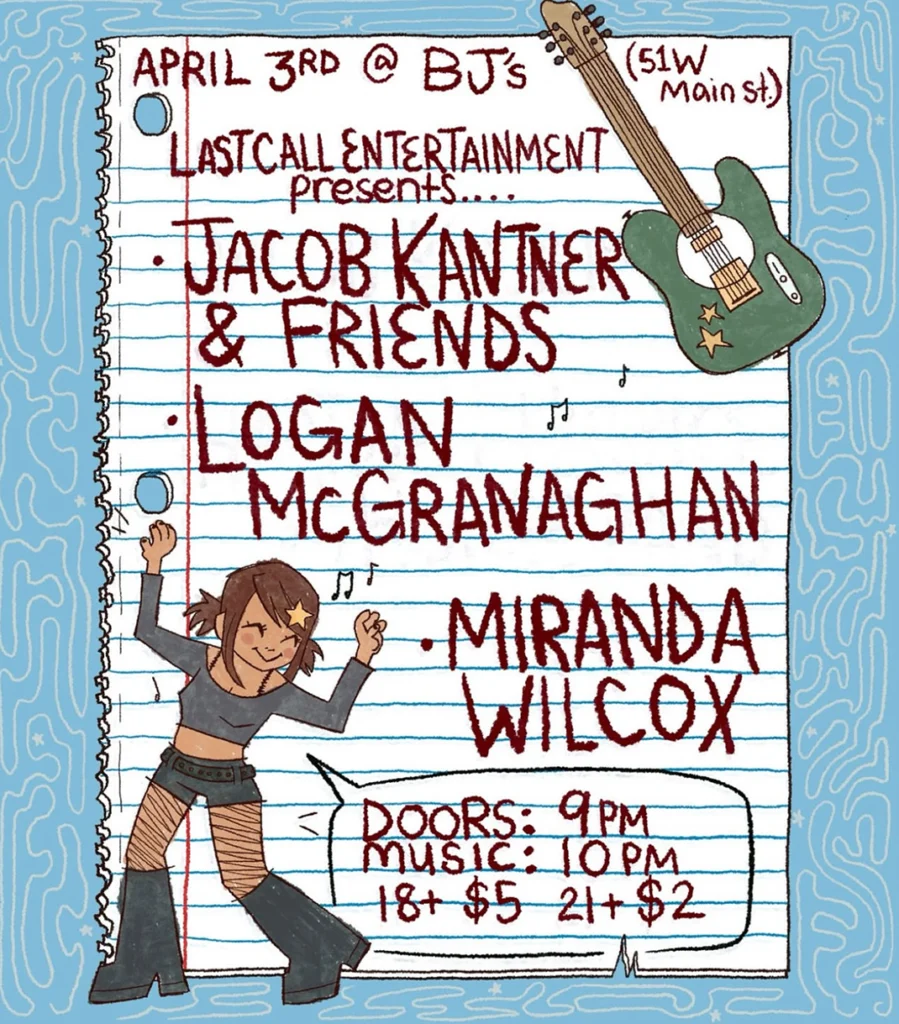
Olivia – Yeah, as far as the Fredonia scene goes, in particular, if you’re a bad person, we know or we will know, like you said, word gets around. Um, as far as like, saying, like, Yay or Nay, I have people, especially like friends and stuff, coming up to me, asking if they can get booked at particular things that I’m a part of. And it’s just like, like you said, we try really hard to book pretty diverse lineups. Like a show in November that you’ve gone to is not gonna happen again, in the sense of, like, that particular set of people together. This Thursday [04/03], we’re going more, I think in the post I said rockabilly. We’re going more rockabilly. I’ve been responding to people now, but like, if they don’t, if they don’t fit, then they just don’t fit. And if they don’t fit, and it doesn’t feel right in my gut, it’s not happening as of right now, back burner.
Elena – The one other thing that I forgot to mention that I feel like a lot of people don’t understand with booking is, for context for the fall semester, the shows that I booked for October were booked in June. People are messaging me right now saying “Any slots left?” No, it’s been booked for a long time, sorry. Like, you gotta book far in advance. I just booked a tour. I started in November. It’s in May.
Olivia – Oh, actually, yeah, to circle back to the house question you mentioned; freedom of dates! I feel like the shackles will be broken off of me, and then I can actually, like, move around and do things and like book crazier gigs with freedom. We can do it whenever we want.
Charlie – Lastly, I just want to finish off the interview by saying, you guys do a fantastic job, and I’m very glad to have become a part of all this [Last Call, Foxhead, Local Lo-Down]. But that being said, we are three femme presenting, female assigned at birth, people breaking into the industry, and that can get tough. Do you have any advice for people like us who might be wanting to get more into the behind the scenes part of the music industry, but feel intimidated or off put? How should they navigate that?
Elena – I do, yeah. I mean, I think one thing I will say for myself using she/they pronouns, is that it’s important, unfortunately, to have very thick skin and to be very socially aware, and understanding of your surroundings. Look at it as various people within your family. How is a 50 year old man walking over to you right now who is like an angry venue owner most likely going to react to you asking them for money for the bill for the night? Just be very aware of, like, the things that can happen, how people are going to react, things like that. I think as well, you shouldn’t keep any sort of barrier on yourself either, I think obviously, be aware of everything that’s happening. But I think that at least to my knowledge, I haven’t had any sort of booking or anything like that be different because I was femme presenting and everything like that. And I do book through my account, it is very obvious who I am when I am booking. I think if you’re in the right scene, that shouldn’t be as much of a worry as what some may say. The other bit of advice that I will forever and always give is something that has been passed down advice to me is that; if something makes you uncomfortable, if things are there that you are aware of that makes your work experience not as beneficial to you, let the people that you surround yourself with know. Also work with people that make you comfortable. But like I’ll give a very real example. I just mentioned that I am booking a tour, and in that I mentioned to my band a certain person where it was like, “Hey, I don’t know if this is going to happen, but I don’t like this person, and I know that they’re in this part of that music scene. I don’t really want to be there”. And by voicing that out, it was an immediate, “Oh, okay, not a worry. We’re gonna move past it. We’re gonna make sure you’re comfortable.” Even a couple of the band members looked at what this person looked like, to like, be aware of it. Knowing that you surround yourself with people in the community that are going to make you feel better about yourself is kind of my best advice.
Olivia – As a woman, there are a lot of the same kind of men out there. It’s very easy to see how they tick, and unfortunately, you just have to know how to work with them. As a woman and as somebody who has been around older men in the scene, in music scenes, in particular with my grandpa growing up; it’s important to know that if you’re dealing with somebody, and this is excluding, like, if they, like, sexually assault somebody – or like, they do something, like, heinous, obviously don’t work with them at all – but like, [name redacted] if there’s gonna be a [redacted] that you have to deal with now, there’s going to be another one later, and so to be socially aware enough to know how to get past them and get by with them in a way where you’re not, like, burning a bridge essentially. Knowing how to conduct yourself in order to get the result that you want is, like, so important. On another note, I’m in this, like, weird spot where I’m not fully booking and I haven’t fully taken things over yet, but people, and I’m not saying I need to be some sort of celebrity or anything, but men in the scene treat me like I’m invisible. I’ve had multiple conversations with Elena at our shows, and there will be men who just walk up to them and talk to Elena and act like I don’t exist, act like I’m not a part of it. Personally, it’s advice, but also advice that I need to take; being more, I guess, abrasive in that sense, because it’s not bad to be abrasive. I mean, you [Charlie], we were talking about it the other day, you were saying that, you know, it’s abrasive when it’s a woman, but it’s passionate when a guy does it. I want to work on giving men more of their own medicine, giving men reactions that they warrant, and making sure that, like, no one really can mess around with me, because I set up strong boundaries. If I set up strong strong boundaries, then it weeds out the people who really shouldn’t be there in the first place.
Elena – I thought of two more things. I agree with you completely, and kind of going off of that a little bit too, when I was in Olivia’s position, where I was doing promo, and the other person was the booker that booker was a man, and that first semester was insane, like, it was to the point where it was…it was so hard to be seen. And I think that that booker at the time, you know, I’ll give him the credit, he did a pretty all right job of, like, making sure I was introduced to the band before the show and things like that. But at the end of the day, it’s like, I always pushed it in the perspective of all of this is a business transaction. At the end of the day, we pay them, and the person who is contacting this band is the one that is paying them, and in doing so, that’s the person that they recognize. It’s, it’s not like when we’re booking the show, it’s, “Hi, I’m Elena and I’m the booker. Also, there’s this person Olivia, who’s doing promo, and then also this person Elizabeth who’s doing sound, and then also this person who’s going to do photography, and this person who does a poster. Would you like to do the show?” It’s, it’s always, you know, nine times out of ten, “Hey, this is me. I’m booking the show.” We meet each other at the show, there are so many people that go into working a show and making it all happen that it’s like, was it [being ignored] because I was femme presenting? Was it because it was a business transaction? I couldn’t tell you, but it feels shitty either way, and I don’t think that that’s how people should be acting. And I make it a very big point, like with managing and with the band [Relentless Moisture] that we always go through and talk to everyone who’s there and get to know them, because there’s so much more to it than just it being that person that booked you., The other thing that was going to add to the initial question, even though I think we’ve said everything that we’ve said, I think it’s important to not be reserved, still, like you were saying to like, be abrasive of sorts.
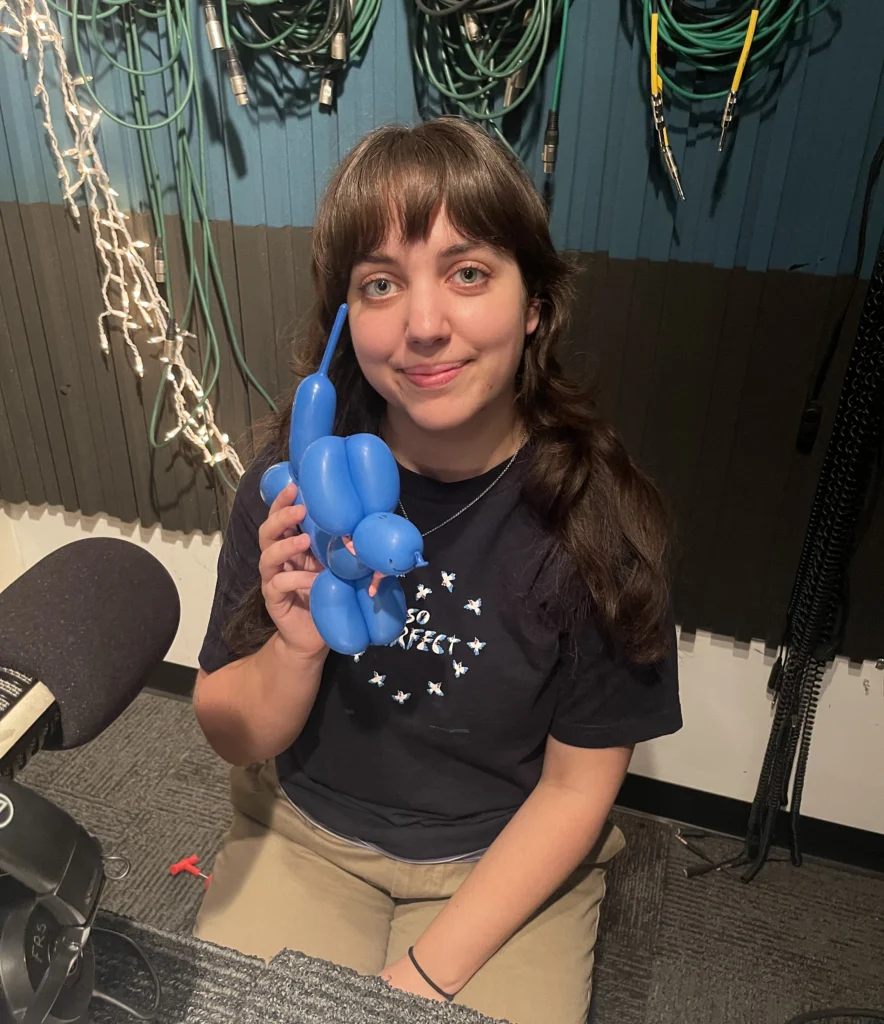
Olivia – We need more women in the scene. One thing that I’ve noticed, and something that makes me feel really proud whenever we do a show, is when a band can walk up to us and say “This has been so well run.” What we do and how we get the shows to happen, we do it in a way where there’s that, like, feminine touch to it that you don’t get anywhere else. I mean, one thing that I didn’t get to do the past two shows actually, but before that, when we pay our bands, we put the money in these envelopes, and I kind of like to draw little messages and notes on it. And it’s just like that little piece of care and attention that we get to give these bands to show that like, yeah, not only we paid you, but also we really cared that you showed up and that you treated us like people. And we can also treat you like people, and not kind of just like animals that are put on a stage for the crowds entertainment. I want people in the Fred scene, especially if you’re a woman, to say what you want to do, and say what you’re doing, so that you’re in people’s heads, and then they know when to talk to you and when to think about, oh, like, “I want, I want this person!” If you come up to us and you say that you do photography, we write you down, and we keep you in mind. It’s always in the back of our heads. We need more women to be passionate about the scene, and be vocal about it and show up, and to be able to join things that we are doing too, because, you know, as a community we’re stronger.
Elena – I think no matter who you are, you should always try and do something for the scene. I feel like I’ve also like, on the flip side of that, also have had experiences of like, I’m a femme presenting person doing something in the scene, and then people are like, “Oh, that’s so awesome.” Like this is such a commodity. Like this is something that’s so cool. And then all of a sudden there’s like, this immense pressure that I should be doing everything just because I’m a femme presenting person in the scene. I’m part of a very small percentage of femme people working in the scene and it’s like, yeah, I think that’s cool, and I am very passionate about it. But, like, I don’t care who the fuck you are. If you want to do something in the scene, you should just do it yourself. And if you’re going to do it, be passionate about it. At times I have felt like, by being that femme presenting person that’s doing something in the scene, all of a sudden there’s so much pressure where, you know, men don’t have that pressure. And I feel like that happens all the time. I feel like everybody should be accountable. If you do something in your scene, do a good job, because then it leads to more bands and more people and more crowds who want to come to your shows and show off what you are doing for your scene. So I think any house venue, bar venue, new thing that comes to Fredonia, whoever ends up taking that over, if it’s all femme presenting people, mwah! If not still, hell yeah, I think that’s awesome.
Olivia – You know, we really do have this really cool thing going on. Unfortunately, there’s like, a 98% chance that that’s ever going to happen ever again, as we get involved in bigger things, like it’s, it’s just extremely rare and, while we get the time to have these opinions that make big decisions, and we get to essentially run things, I love it. I love it. And I’m holding on. I’m clinging on to it as hard I can, like, my knuckles are getting really white from holding onto it this hard and grabbing onto it. But like, it’s just so it’s so important. And, yeah, if you’re passionate, talk to us and show up in the scene. And of course, we’ll consider you. I think I want to encourage more women to do it, but also, like you were saying, just passionate people in general, because we must keep the scene alive after COVID. That was, I wasn’t there for it, but, it was a pretty big hit.
Charlie – So real, and I know I’m the interviewer here, but as somebody who’s working with you guys now, and as somebody who previously managed a band mainly consisting of men, I would like to throw in my two cents of advice for women or femme presenting people who want to get into the scene by saying kind of what Olivia said. Be aggressive. Be a bitch. It’s okay. Say what you think about something. Assert yourself. Like, it really doesn’t matter if a man doesn’t like you. Obviously, you have to play different situations by ear. And if, you know, you can get something out of a man, you know, lighten it up, play it a little differently. But like, don’t coddle. That’s my number one piece of advice, do not coddle fragile masculinity, because sometimes you’ll find it’s more important to make somebody upset and uncomfortable than it is to cater to ridiculous needs. You don’t have time for it. You’re busy, girl, way better things to do than coddle a man.